Introduction
In today's fast-paced digital landscape, where user expectations evolve at lightning speed, responsive web design stands out as a fundamental requirement rather than a mere option. As we delve into the intricacies of Responsive Web Design: Why It’s Non-Negotiable in 2024, we will explore its significance in the realms of digital marketing, website design, and beyond.
Gone are the days when websites were designed https://marioyqgi636.cavandoragh.org/website-maintenance-checklist-keeping-your-site-up-to-date solely for desktop users; now, with mobile devices dominating internet usage, creating a seamless experience across all platforms has become imperative. In this article, we'll unpack why responsive web design is crucial for businesses looking to thrive in 2024 and beyond.
Understanding Responsive Web Design
What is Responsive Web Design?
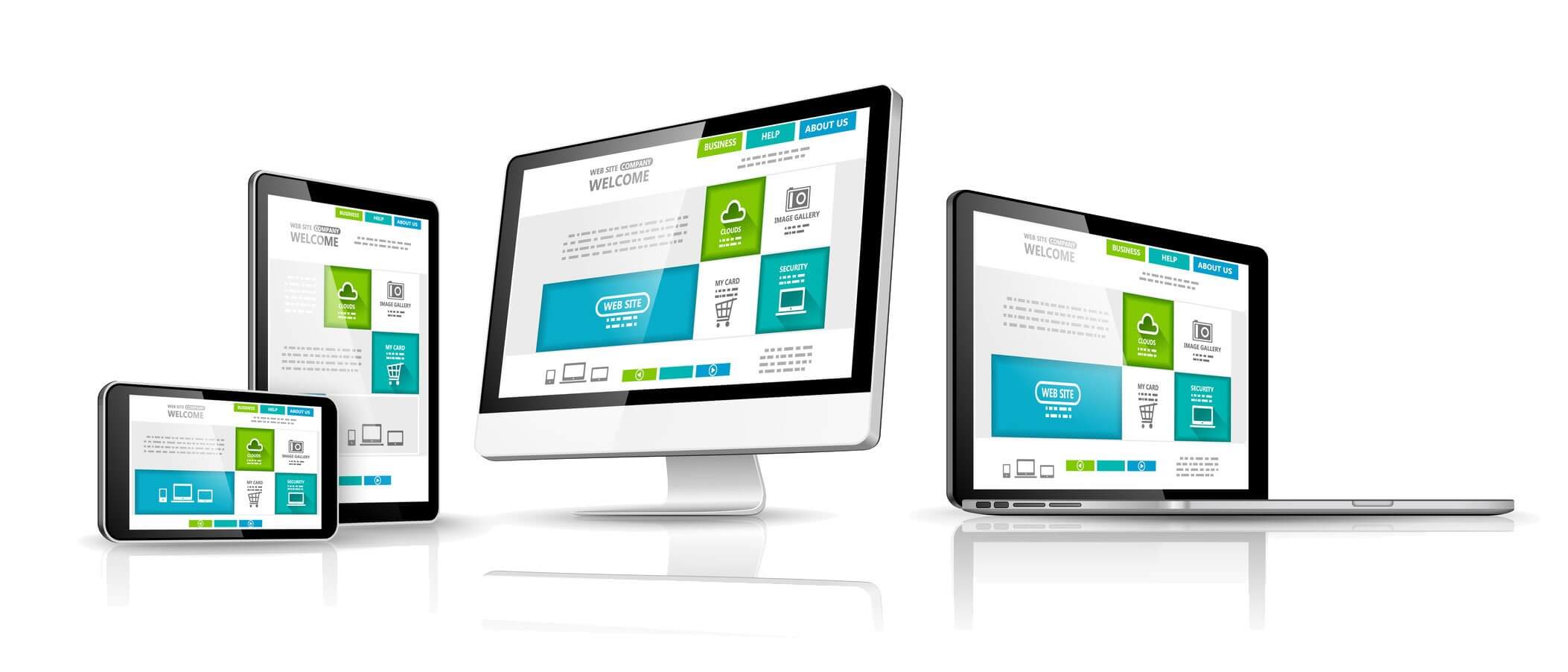
Responsive web design (RWD) refers to an approach in website design that makes web pages render well on various devices and window or screen sizes. This technique employs flexible layouts, grids, and CSS media queries to ensure that content is easily accessible regardless of how users access it—be it through smartphones, tablets, or desktops.
The Evolution of Web Design
To comprehend the necessity of responsive web design today, it’s essential to understand how web design has evolved over the years. Historically, websites were created for static screens with fixed dimensions. The advent of mobile technology necessitated a shift towards fluid layouts that adapt based on the device being used.
Statistics That Matter
- Over 50% of global web traffic comes from mobile devices. Websites with responsive designs see up to a 30% increase in user retention. Google favors mobile-friendly sites in search rankings.
These statistics underscore the importance of adopting RWD principles moving into 2024.
Benefits of Responsive Web Design
Improved User Experience (UX)
A well-designed responsive website offers a superior user experience by ensuring that navigation is intuitive and content is easily readable. Users are less likely to bounce away from your site when they can interact with it effortlessly.
SEO Advantages
Search engine optimization (SEO) is critical for visibility online. Google recommends responsive design as it allows for a single URL for each piece of content, simplifying link building and enhancing SEO efforts.
Cost Efficiency in Maintenance
Maintaining separate sites for desktop and mobile can be costly and time-consuming. A single responsive site reduces maintenance overhead since updates only need to occur once.
Faster Load Times
Responsive designs typically load faster due to their streamlined coding practices which can lead to improved conversion rates. Fast loading times enhance overall user satisfaction—a key component of effective UX/UI design strategies.
Responsive vs Adaptive Design: What You Need to Know
Defining Adaptive Design
While responsive web design dynamically adjusts elements based on screen size using fluid grids and CSS media queries, adaptive design involves creating multiple versions of a page tailored for specific devices.

Comparison Table: Responsive vs Adaptive Design
| Feature | Responsive Design | Adaptive Design | |-------------------|------------------|-------------------| | Flexibility | High | Moderate | | Development Time | Less | More | | Cost | Lower | Higher | | SEO Benefits | Strong | Moderate |
The choice between these two approaches often depends on business needs, budget constraints, and targeted audiences.
Key Components of Responsive Web Design
Fluid Grids: The Foundation of RWD
Fluid grids utilize relative units such as percentages instead of fixed units like pixels. This flexibility allows elements to resize proportionately depending on screen dimensions.
Media Queries: Adapting Styles Responsively
CSS media queries enable developers to apply different stylesheets based on the device characteristics such as width or orientation. This allows for tailored experiences across various devices without compromising quality or performance.
Flexible Images: Ensuring Visual Integrity
Images must also scale appropriately within their containing elements. By setting images to be responsive (using max-width: 100%), you ensure they don’t exceed their container width while maintaining aspect ratios.
The Role of UX/UI Design in Responsive Websites
Understanding UX/UI Optimization
UX/UI optimization focuses on enhancing user interaction with your website through intuitive interfaces and engaging visual designs. In a world where first impressions matter significantly, investing time into this aspect can yield profound returns.
Effective Landing Page Design Techniques
Landing pages play a vital role in conversion rate optimization (CRO). Implementing best practices such as clear call-to-action buttons and compelling visuals designed responsively ensures higher engagement rates across all devices.
Mobile-Friendly Websites: A Business Imperative
Why Mobile Friendliness Matters More Than Ever?
With increasing numbers of consumers using smartphones for browsing and shopping online, having a mobile-friendly website isn't just beneficial—it's essential. Businesses without mobile-optimized websites risk losing potential customers who prioritize accessibility.
Best Practices for Creating Mobile-Friendly Websites
Simplify Navigation Optimize Loading Speed Utilize Large Touch Targets Implement Clear Call-to-ActionsBy following these guidelines, companies can create engaging mobile experiences that convert visitors into loyal customers.
Website Architecture: Structuring Responsively
The Importance of Logical Website Structure
A well-planned website architecture enhances usability by allowing users to navigate through your site intuitively. Consider how content is arranged logically across different devices when designing your architecture layout.
Website Redesign: When & Why To Consider It?
Signs Your Website Needs a Redesign
Poor Mobile Performance High Bounce Rates Outdated Visuals Low Conversion RatesIf you observe any of these signs your platform may require a redesign focusing on modern standards including RWD principles while integrating graphic design techniques that resonate with target audiences effectively.
Custom Web Development and RWD Synergy
How Custom Solutions Enhance Responsiveness?
Custom web development tailors solutions specifically suited for individual business needs—ensuring that responsiveness isn’t just an afterthought but an integral part from inception onwards!
FAQ Section
1. What does "responsive" mean in web design?
Responsive means that a website automatically adjusts its layout based on the size and orientation of the user's device.
2. How does responsive design impact SEO?
Google prefers responsive websites because they provide consistent URLs which simplifies indexing.

3. Is responsive design expensive?
While initial costs may be higher compared to static sites, long-term savings come from easier maintenance and better performance.
4. Can I implement RWD myself?
Yes! There are many platforms like WordPress that offer themes designed with responsiveness in mind.
5. What are common mistakes when designing responsively?
Common mistakes include ignoring touch targets' sizes or neglecting testing across different browsers/devices.
6. Does responsive web design impact conversion rates?
Absolutely! A smoother experience leads directly correlates with increased conversion rates.
Conclusion
In conclusion, as we navigate through 2024’s digital landscape filled with competitive challenges and shifting consumer behaviors, understanding Responsive Web Design: Why It’s Non-Negotiable in 2024 becomes increasingly essential not only for survival but growth within various industries including eCommerce development through tailored solutions like Shopify development or Magento development strategies too!
Investing in responsive web solutions not only enhances user experience but optimizes performance across platforms leading ultimately towards achieving sound digital strategy goals via effective marketing analytics insights gained along this journey!
Remember—your audience deserves nothing less than an exceptional browsing experience regardless of how they choose to engage with your brand online!